English


-
CloudCCLogin to your CRM system
-
Industry Mall
No registration required! Instantly access DEMO systems for 30 niche-industry CRMs and experience how AI and big data truly deliver industry know-how!


Tired of Paperwork? How to Free Up More Teaching Time
April 16, 2026Across K12 education, teachers are facing a growing challenge that goes beyond the classroom—administrative overload. From attendance tracking and grading records to parent communication and enrollment documentation, paperwork continues to consume valuable hours that could otherwise be spent on teaching. As schools seek more efficient solutions, CRM (Customer Relationship Management) systems tailored for education are emerging as a powerful way to reduce administrative burdens and give teachers their time back.
Traditionally, many schools rely on manual processes or disconnected systems to manage student data. This often results in duplicated work, lost information, and time-consuming data entry. Teachers may find themselves updating multiple platforms, filling out forms, and responding to repetitive inquiries from parents. Over time, this not only reduces productivity but also contributes to burnout.
A K12-focused CRM system addresses these challenges by centralizing all student-related data into one integrated platform. Attendance records, class schedules, academic performance, and communication logs are all stored in a single system. This eliminates the need for repetitive data entry and ensures that information is always up to date and easily accessible.
Automation is one of the most impactful features of CRM in education. Routine administrative tasks—such as attendance notifications, report generation, and parent updates—can be handled automatically. For example, when a student is absent, the system can instantly notify parents via email or SMS. Similarly, progress reports can be generated with just a few clicks, saving teachers hours of manual work.
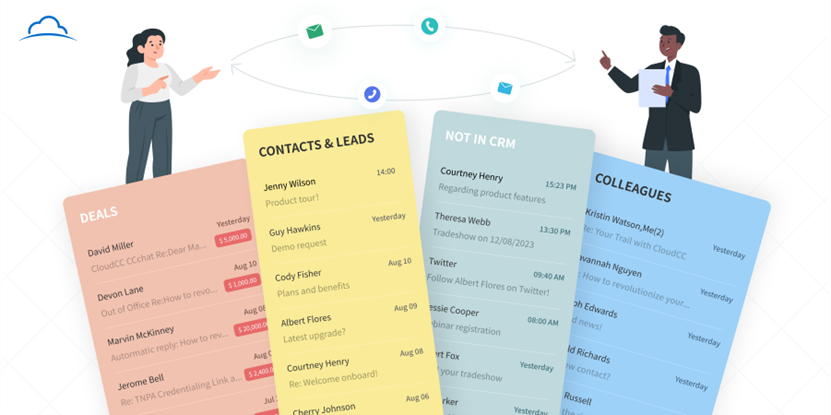
Another key benefit is streamlined communication. CRM platforms enable teachers to communicate with parents and students through a unified interface. Instead of juggling emails, messaging apps, and paper notices, all interactions can be managed in one place. This not only improves efficiency but also ensures consistent and timely communication, enhancing the overall learning experience.
Classroom management also becomes more efficient with CRM integration. Teachers can easily access student profiles, track performance trends, and manage lesson plans within the system. Features like course management, timetable scheduling, and assignment tracking help simplify daily operations, allowing educators to focus more on instruction rather than administration.
In addition, CRM systems support collaboration across school departments. Administrative staff, teachers, and management teams can share information seamlessly, reducing miscommunication and improving coordination. For instance, admissions teams can pass student data directly to teachers without requiring additional paperwork, ensuring a smooth transition from enrollment to classroom integration.
Data analytics further enhance the value of CRM systems. Schools can gain insights into student performance, attendance patterns, and engagement levels. These insights help educators identify areas where students may need additional support, enabling more personalized teaching approaches. At the same time, administrators can use data to optimize resource allocation and improve overall school performance.
Security and compliance are also critical considerations. Modern CRM platforms offer secure data storage, role-based access, and compliance with educational data protection standards. This ensures that sensitive student information is protected while still being accessible to authorized users.
For schools concerned about implementation, many CRM solutions are designed to be user-friendly and scalable. Cloud-based systems require minimal infrastructure and can be customized to meet the specific needs of each institution. Training and onboarding processes are often straightforward, allowing schools to quickly transition from manual systems to digital management.
Ultimately, reducing paperwork is not just about saving time—it’s about improving the quality of education. When teachers are freed from administrative tasks, they can dedicate more energy to lesson planning, student engagement, and personalized instruction. This leads to better learning outcomes and a more positive school environment.
In conclusion, CRM systems are transforming how K12 schools operate by eliminating unnecessary paperwork and streamlining daily processes. By automating routine tasks, centralizing data, and improving communication, these platforms empower educators to focus on what truly matters: teaching and inspiring students. For schools looking to enhance efficiency and support their teachers, adopting a CRM system is a step toward a smarter, more effective future in education.