English


-
CloudCCLogin to your CRM system
-
Industry Mall
No registration required! Instantly access DEMO systems for 30 niche-industry CRMs and experience how AI and big data truly deliver industry know-how!


CRM Software Systems: The Backbone of Modern Business Strategy
March 13, 2026In the digital era, where customer expectations are evolving rapidly, businesses are increasingly turning to Customer Relationship Management (CRM) software systems to streamline their operations and enhance customer engagement. These advanced systems have become indispensable tools for companies aiming to improve customer retention, boost sales, and create personalized experiences that foster brand loyalty.
CRM software systems provide a unified platform that allows businesses to store, organize, and analyze customer data in a seamless way. From tracking customer interactions to managing sales pipelines, CRM systems offer businesses a 360-degree view of their customer base, empowering them to make informed decisions and improve the overall customer journey. These systems are essential for any company looking to provide a customer-centric approach that not only meets but exceeds expectations.
One of the primary reasons businesses are increasingly investing in CRM software systems is the ability to automate and streamline repetitive tasks. With CRM, tasks such as lead management, follow-up emails, and appointment scheduling can be automated, reducing manual labor and ensuring that no opportunity slips through the cracks. This automation not only saves time but also allows employees to focus on high-value activities, such as building relationships and closing sales, which ultimately improves productivity.
Another critical feature of CRM systems is their ability to provide valuable insights through data analytics. CRM platforms track customer behavior, including purchase history, preferences, and feedback. By analyzing this data, businesses can create tailored marketing campaigns, develop personalized product recommendations, and provide exceptional customer service. With these insights, companies can anticipate customer needs, thereby enhancing the likelihood of a positive customer experience and long-term loyalty.
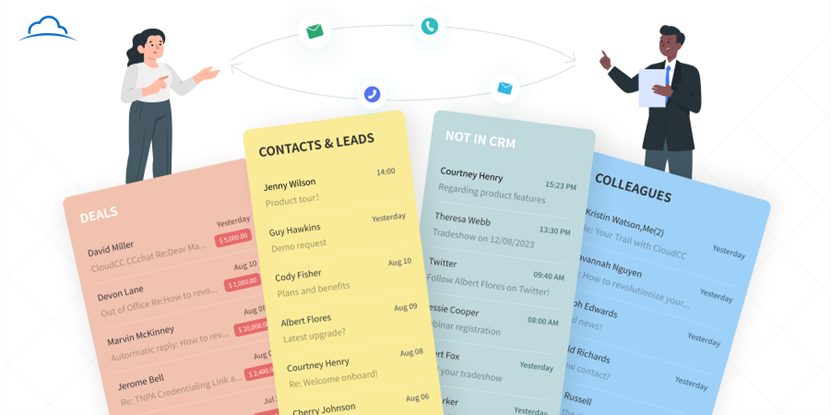
CRM software systems also facilitate better communication and collaboration across departments. Sales teams can access real-time data on customer interactions, while marketing teams can leverage this information to refine their strategies. Customer support teams, on the other hand, can quickly address issues by viewing detailed customer histories. This level of collaboration ensures that the entire organization is aligned in providing a seamless customer experience, ultimately improving customer satisfaction and retention rates.
The adaptability of CRM systems is another reason they have gained such popularity. Whether a company is small or large, CRM software can be customized to suit specific business needs. Leading CRM platforms, such as Salesforce, HubSpot, and Zoho CRM, offer scalability, flexibility, and integration with other business tools, ensuring that businesses can grow without outgrowing their CRM solutions.
Furthermore, CRM systems are available in cloud-based and on-premise versions, allowing companies to choose the deployment option that best fits their needs. Cloud-based CRMs, in particular, have become popular due to their accessibility from any device, scalability, and lower upfront costs. This has made CRM software systems accessible to businesses of all sizes and industries.
In conclusion, CRM software systems are no longer just a tool for managing customer data—they are a strategic asset for businesses striving to stay competitive. By providing automation, analytics, collaboration, and customization, CRM systems empower companies to improve customer relationships, increase operational efficiency, and drive business growth. As more businesses recognize the importance of CRM, these systems will continue to be at the heart of successful business strategies in the years to come.